


All items featured were discovered on Etsy - click the images for more info and to shop.




Use one or multiple bales, arranging them in any pattern you like. The bales are raised but also be sure to allow for easy access to work in and around your garden. Wheat or oat straw is best as it's the stalks left from harvesting grain with very few seeds. Hay bales are less popular as they are made of whole plants with more seeds, and often other weeds in the mix. Use what you can get locally. You can get one good season out of a bale, sometimes two, but eventually it will decompose. Recycling into great compost or mulch when has eventually worn down is another bonus to this method!
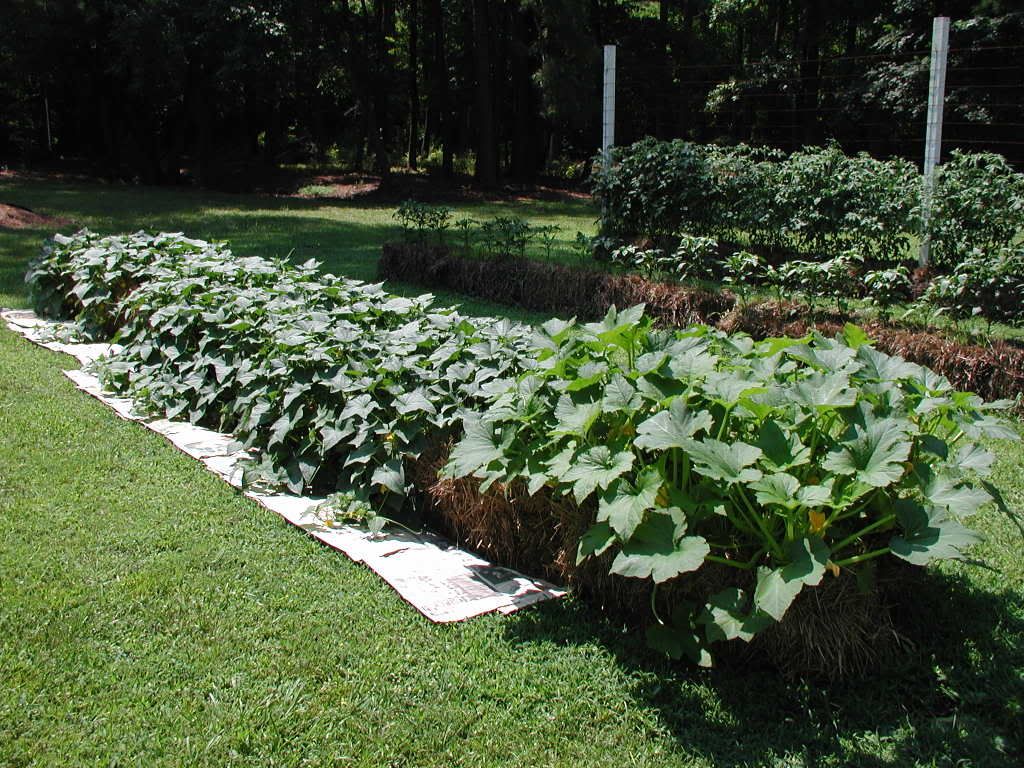
Lay them lengthwise to make planting easy by just parting the straw. Make sure the string is running around each bale and not on the side touching the ground in case it's degradable twine.Keep the twine there to hold it all in place. If it starts to rot bang some stakes in at both ends, or chock up the ends with something heavy--rocks, bricks, boxes or planted containers.

Starting off with slightly aged bales of about 6 months is best, but if they're new, thoroughly soak with water and leave for five days until the temperature rises on the inside, then cools to be ready for planting. There won't be much composting inside yet as that can take months, but an initial hot cooking is not good for your plants.

The most frequent care is keeping things watered. Straw bale gardening uses more water than a normal garden, so set up a system and stick with it. In some areas a full watering can per day is enough, in warmer, drier areas keep the garden hose handy.
Annuals of vegetables, herbs or flowers all work well. Remember your bales will be decomposed in 1-2 years. Young plants can go straight in. Pull apart or use a trowel, and depending on the state of the straw, mix a handful of compost soil in; then let the straw go back into place. Seeds can be planted on top if you put a layer of compost soil there first.

Top heavy veggies like corn don't work well, unless you grow dwarf varieties. With straw bale gardening staking is difficult so tomato plants will happily dangle over the edges. Each bale should take up to half a dozen trailing cucumbers, also try squash, zucchini or melons. Four pepper plants will fit in one bale or 12-15 bean or pea plants. You can add a plant or two of flowers around the edges--trailing varieties will spill over the sides and add color.

Once every 1-2 weeks water in a liquid organic feed, such as compost tea or fish emulsion. Add some earthworms on top of the soil if you want to use your bales for only one season. Pulling out any wayward grain seeds with straw bale gardening is quick and easy. Hay bales may need an occasional haircut rather than pulling the new sprouts out.


(Tide pools by Chris, Pfeiffer Photos 2008)
In thinking of just the right gift for this special milestone, we decided that we would give our time and talent and document the weekend with our cameras in hand. Our goal is to find the candid moments and create a photo journalistic style memory. Post-festivities the photos, with the aid of my trusty Macbook, will become a custom photo book and DVD. I've been toying with the idea of offering custom photo book and DVD creation services through our Etsy shop and I'd love to hear your thoughts on this idea so your comments are very welcome!
All photos displayed in this post are available as prints and handmade note cards. Please visit our Etsy shop or contact us HERE for more info or to purchase...thanks!
copyright pfeiffer photos 2008 - all rights reserved.
Our deck is our backyard. We live on the top floor of our building overlooking our neighborhood and we have a superb view of the west hills and the city. Portland hosts firework displays 5 times annually so we enjoy those shows for free--plus the bonus of fantastic sunsets in every season.
We've lived here going on five years and each summer we look forward to creating a new garden to enjoy. Our challenge is the hunt for a variety of plants that enjoy a full day in the sunshine. This summer we discovered a small rural nursery (in business since 1913!) on our weekly drive to attend church service. We decided to patronize their operation for our gardening needs instead of one of the big box stores. I am happy to report that the quality of the plants and the customer service is better than any retail outlet we've purchased from in the past.
We have more pots and more plants than in years past and we splurged on the flowers. I've been practicing with the macro settings on our cameras as the flowers put on their show...I hope you enjoy the results!
Visit my Etsy shop for photographs of flowers on sale now!
copyright pfeiffer photos 2008 - all rights reserved.


